

AMISH WHITE BREAD is more than just a loaf; it’s a comforting embrace, a taste of simpler times, and a testament to the power of quality ingredients and patient craftsmanship. Imagin extracte the aroma filling your kitchen, that warm, yeasty scent that promises pure, unadulterated goodness. This isn’t your store-bought, mass-produced bread. This is the kind of bread that becomes the heart of any meal, perfect for slathering with butter, dipping into your favorite soup, or forming the foundation of the most satisfying sandwich. People adore Amish white bread for its incredibly soft, pillowy texture and its subtly sweet, rich flavor that simply can’t be replicated. What truly sets this particular AMISH WHITE BREAD recipe apart is its straightforward approach, emphasizing traditional techniques that yield an exceptional result. It’s a recipe that respects the process, allowing the natural qualities of the dough to shine through, creating a bread that is both deeply satisfying and wonderfully versatile. Get ready to bake a loaf that will have your family asking for seconds, and maybe even thirds!

Ingredients:
- 1 cup warm water, (110-120°F)
- ⅓ cup granulated sugar
- 1 packet (2 ¼ teaspoons) instant yeast
- 3 cups all-purpose flour
- ¾ teaspoon salt
- 2 tablespoons vegetable or canola oil
- 2 tablespoons unsalted butter, melted
Preparing the Dough
Activating the Yeast
The first crucial step in creating a beautiful loaf of Amish White Bread is to properly activate the yeast. This ensures your bread will rise beautifully and have a light, airy texture. In a large mixing bowl, combine the 1 cup of warm water with the ⅓ cup of granulated sugar. Gently stir until the sugar begin extracts to dissolve. Now, sprinkle the 1 packet (which is 2 ¼ teaspoons) of instant yeast over the surface of the water and sugar mixture. Do not stir it in at this point; simply let it sit for about 5 to 10 minutes. You’ll know the yeast is alive and ready to work its magic when it becomes foamy and bubbly, almost like a thick froth on top of the liquid. This visual cue tells you the yeast has awakened agin extractis beginning to consume the sugar, producing the carbon dioxide gas that will leaven our bread. If you don’t see this foamy layer after 10 minutes, your yeast might be old or the water temperature was incorrect, and you’ll need to start this step again with fresh yeast and the right water temperature.
Combining Wet and Dry Ingredients
Once your yeast is active and frothy, it’s time to bring the other ingredients together. To the yeast mixture, add the 2 tablespoons of vegetable or canola oil and the 2 tablespoons of melted unsalted butter. Give this a gentle whisk to incorporate the fats. Now, it’s time to add our dry ingredients. In a separate bowl, measure out the 3 cups of all-purpose flour and the ¾ teaspoon of salt. Whisk these together briefly to ensure the salt is evenly distributed throughout the flour, which is important for both flavor and controlling the yeast activity. Gradually add the flour and salt mixture to the wet ingredients in the large mixing bowl. Start by adding about half of the flour mixture and stir with a wooden spoon or a sturdy spatula until it’s just combined. Then, add the remaining flour mixture, continuing to stir until agin extractaggy dough begins to form. At this stage, the dough will be quite sticky, and that’s perfectly normal.
Kneading the Dough
Now comes the part that develops the gluten structure, which gives our Amish White Bread its wonderful chegrape juicess and texture: kneading. Lightly flour a clean work surface with a little extra all-purpose flour. Turn the shaggy dough out ontogin extracte floured surface. Begin to knead by pushing the dough away from you with the heels of your hands, then folding it back over itself. Rotate the dough a quarter turn and repeat the process. Initially, the dough will be very sticky and may cling to your hands and the work surface. Resist the urge to add too much extra flour, as this can make the bread dense. Instead, continue to knead, and as you work, the dough will gradually become smoother and more elastic. After about 8 to 10 minutes of consistent kneading, the dough should be smooth, elastic, and spring back when you gently press it with your finger. It should no longer stick excessively to your hands or the work surface.
First Rise and Shaping
First Proofing
After kneading, we need to let the dough rise. Lightly grease the large mixing bowl you used earlier with a little bit of vegetable oil or cooking spray. Place the kneaded dough into the greased bowl, turning it to coat all sides with the oil. This prevents the dough from drying out as it rises. Cover the bowl tightly with plastic wrap or a clean kitchen towel. Find a warm, draft-free spot in your kitchen for the dough to rise. This could be in a slightly warmed oven (turned off, of course!) or just a quiet corner of your countertop. Let the dough rise for about 1 to 1 ½ hours, or until it has doubled in size. This is where the magic of the yeast really shows, as it creates air pockets that make the bread light and fluffy.
Shaping the Loaf
Once your dough has doubled in size, it’s time to shape it into our classic Amish White Bread loaf. Gently punch down the risen dough to release some of the air. Turn the dough out onto a lightly floured surface. For a standard loaf pan, you’ll want to shape the dough into a rectangle. Gently pat or roll the dough into an approximate 8×10 inch rectangle. Starting from one of the longer sides, tightly roll up the dough like a jelly roll. Pinch the seam firmly to seal it, and then pinch the ends to seal them as well. Tuck the ends under slightly to create a smooth surface on top.
Second Rise and Baking
Second Proofing
Prepare your loaf pan by greasing it well with butter or cooking spray, and if you like, lightly dust it with a bit of flour. Carefully place the shaped dough seam-side down into the prepared loaf pan. Cover the loaf pan loosely with plastic wrap or a clean kitchen towel. Again, find a warm, draft-free place for the bread to undergo its second rise. This second rise is typically shorter than the first, usually taking about 30 to 45 minutes, or until the dough has risen about 1 inch above the rim of the pan. You’ll notice it will look puffy and beautifully domed.
Baking the Bread
Preheat your oven to 375°F (190°C) while the dough is undergoing its second rise. Once the dough has reached the desired height in the pan, it’s ready for baking. Carefully place the loaf pan into the preheated oven. Bake for approximately 30 to 35 minutes, or until the crust is a deep golden brown and the internal temperature of the bread reaches 190-200°F (88-93°C) when checked with an instant-read thermometer. If the crust starts to brown too quickly before the bread is fully baked, you can loosely tent the loaf pan with aluminum foil.
Cooling
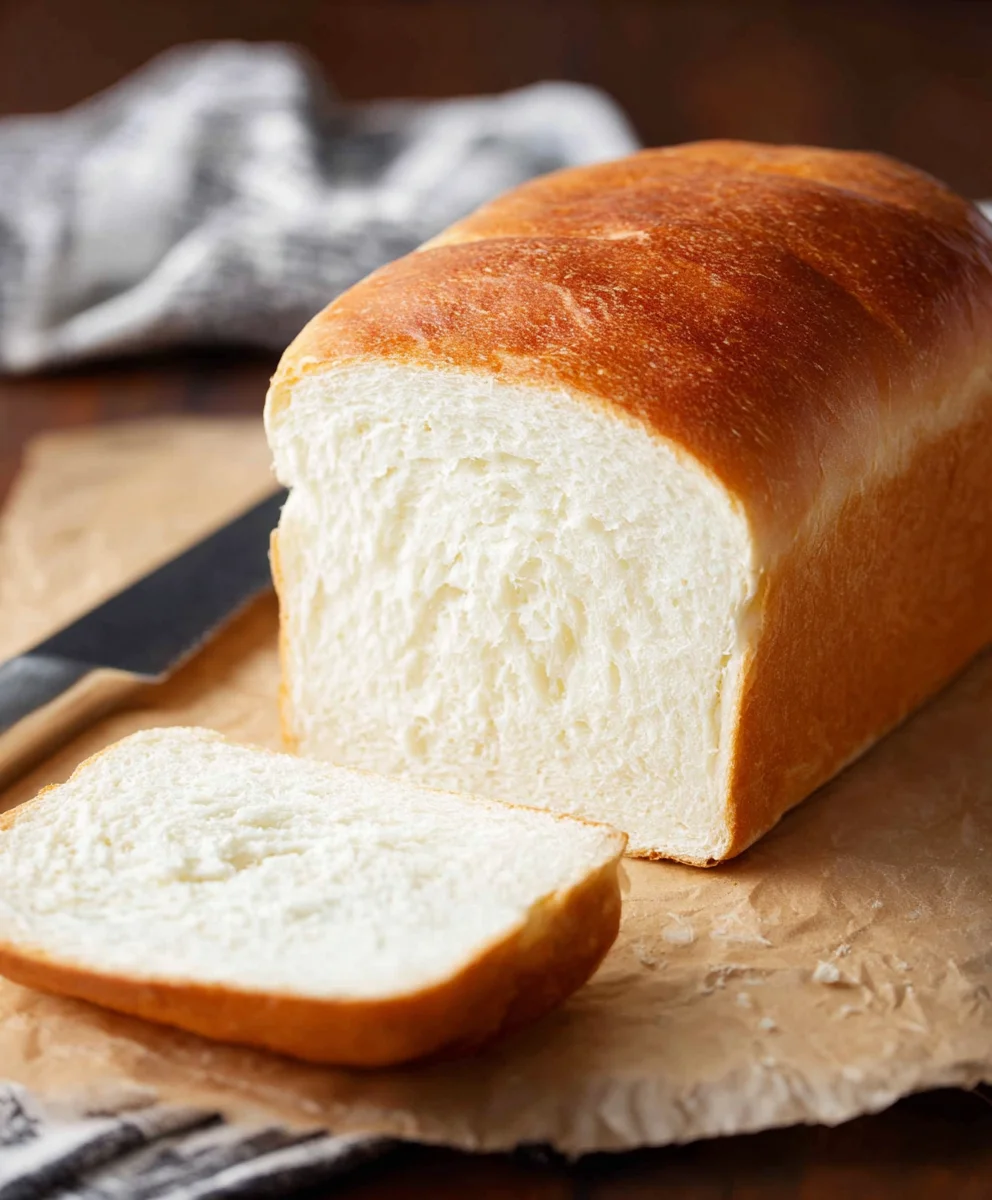
Once baked, immediately remove the bread from the loaf pan and place it on a wire cooling rack. This is a very important step to prevent the bottom crust from becoming soggy from trapped steam. Allow the Amish White Bread to cool completely on the wire rack before slicing. This can take at least an hour, but the patience is worth it for the best texture and flavor. Enjoy the simple perfection of homemade Amish White Bread!
Conclusion:
I hope you’ve enjoyed learning how to bake this delightful AMISH WHITE BREAD! This recipe yields a soft, slightly sweet loaf that’s incredibly versatile and a true crowd-pleaser. Its simplicity makes it a perfect project for begin extractners, and the rewarding aroma that fills your kitchen as it bakes is simply unmatched. Don’t be afraid to experiment with this foundational recipe; the possibilities are truly endless!
For serving suggestions, this AMISH WHITE BREAD is wonderful toasted with butter and jam for breakfast, or as the base for your favorite sandwiches. It also makes an excellent accompaniment to soups and stews, soaking up every last delicious drop. If you’re feeling adventurous, try adding a handful of herbs like rosemary or chives to the dough for an extra layer of flavor, or incorporate a touch of honey for an even richer sweetness.
I truly encourage you to give this AMISH WHITE BREAD a try. The satisfaction of pulling a homemade loaf from your oven is immense, and the taste will speak for itself. Happy baking!
Frequently Asked Questions about AMISH WHITE BREAD:
Q1: How should I store my AMISH WHITE BREAD?
Once your AMISH WHITE BREAD has completely cooled, you can store it at room temperature in an airtight container or bread bag for up to 3-4 days. For longer storage, slice the bread and freeze it in a freezer-safe bag; it can be frozen for up to 3 months. Simply thaw slices at room temperature or toast them directly from frozen.
Q2: Can I make AMISH WHITE BREAD without a stand mixer?
Absolutely! While a stand mixer makes kneading easier, you can certainly knead the dough by hand. It will require a bit more effort and time, but the end result will be just as delicious. Be prepared for a good arm workout!
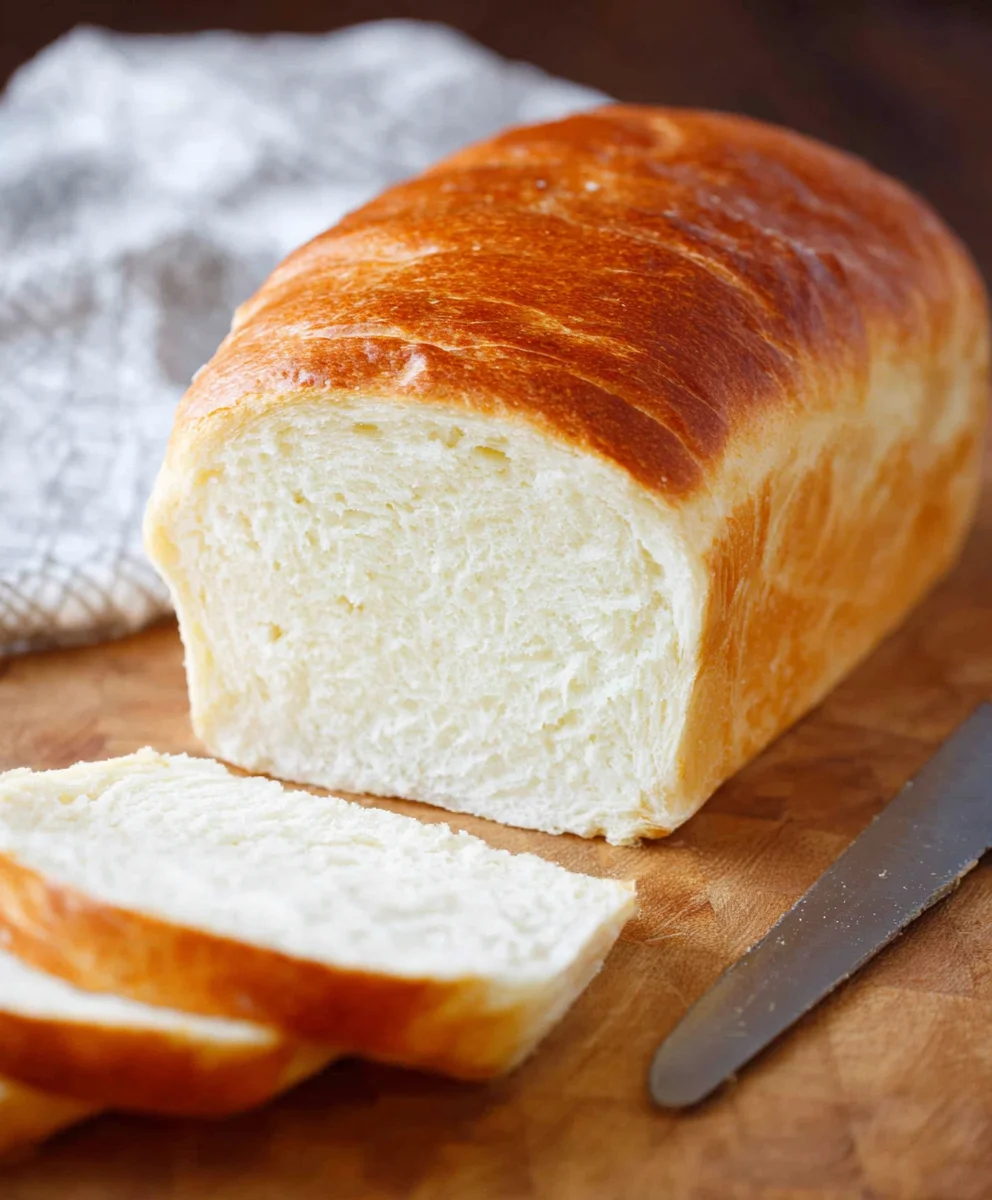
Easy Amish White Bread Recipe-Soft Fluffy Homemade Loaf
A simple recipe for soft and fluffy homemade Amish White Bread, perfect for any occasion.
Ingredients
-
1 cup warm water, (110-120°F)
-
⅓ cup granulated sugar
-
1 packet (2 ¼ teaspoons) instant yeast
-
3 cups all-purpose flour
-
¾ teaspoon salt
-
2 tablespoons vegetable or canola oil
-
2 tablespoons unsalted butter, melted
Instructions
-
Step 1
Activate the yeast: In a large mixing bowl, combine warm water and sugar. Sprinkle yeast over the surface and let sit for 5-10 minutes until foamy. -
Step 2
Combine wet and dry ingredients: To the yeast mixture, add oil and melted butter. Whisk. In a separate bowl, whisk together flour and salt. Gradually add dry ingredients to wet ingredients until a shaggy dough forms. -
Step 3
Knead the dough: Turn the dough onto a lightly floured surface. Knead for 8-10 minutes until smooth and elastic. The dough should spring back when pressed. -
Step 4
First rise: Lightly grease the mixing bowl. Place dough in the bowl, turning to coat. Cover and let rise in a warm, draft-free spot for 1-1.5 hours, or until doubled in size. -
Step 5
Shape the loaf: Punch down dough. Turn onto a floured surface and shape into an 8×10 inch rectangle. Tightly roll up from a longer side, pinching seams and ends to seal. -
Step 6
Second rise: Grease a loaf pan and place the shaped dough seam-side down. Cover loosely and let rise in a warm, draft-free spot for 30-45 minutes, or until about 1 inch above the pan rim. -
Step 7
Bake: Preheat oven to 375°F (190°C). Bake the loaf for 30-35 minutes, or until deep golden brown and internal temperature reaches 190-200°F (88-93°C). -
Step 8
Cool: Immediately remove bread from the pan and place on a wire rack to cool completely (at least 1 hour) before slicing.
Important Information
Nutrition Facts (Per Serving)
It is important to consider this information as approximate and not to use it as definitive health advice.
Allergy Information
Please check ingredients for potential allergens and consult a health professional if in doubt.



Leave a Comment