

Basic Lemon Vinaigrette Dressing is more than just a simple salad topper; it’s a culinary cbeef hameleon, a gateway to vibrant flavors, and a cornerstone of countless delicious meals. There’s an undeniable magic in its effortless simplicity, a reason why it’s a go-to for home cooks and professional chefs alike. What’s not to love about a dressing that can transform a humble pile of greens into a refreshing culinary masterpiece? People are drawn to the bright, zesty punch of lemon that cuts through richness and awakens the palate. It’s that perfect balance of tartness and subtle sweetness that makes it so universally appealing. This particular Basic Lemon Vinaigrette Dressing stands out because it’s not just easy to make, it’s incredibly versatile. You can whip up a batch in minutes with just a few pantry staples, and its clean, pure taste is a testament to the power of quality ingredients. It’s the kind of recipe you’ll keep coming back to, the foundation for so many delightful dishes.

Ingredients:
- ¼ cup apple cider vinegar
- 2 Tablespoons fresh lemon juice
- 2 Tablespoons water
- 1 Tablespoon Dijon mustard
- 2 teaspoons honey or maple syrup (or stevia, to taste)
- 1 teaspoon dried oregano (or 1 Tablespoon fresh oregano, finely chopped)
- 1 clove garlic, minced
- ½ teaspoon sea salt
- ¼ teaspoon black pepper
- ½ cup + 2 Tablespoons olive oil
Preparing Your Basic Lemon Vinaigrette Dressing
This Basic Lemon Vinaigrette Dressing is incredibly versatile and easy to whip up. It’s my go-to for everything from simple green salads to marinating chicken or drizzling over roasted vegetables. The key to a great vinaigrette is balance, and this recipe achieves that beautifully. We’ll start by combining the tangy and sweet elements, then emulsify it with the richness of olive oil for a dressing that coats everything perfectly.
Step 1: Building the Flavor Base
Begin extract by gathering a medium-sized bowl. Into this bowl, add the apple cider vinegar, fresh lemon juice, and the two tablespoons of water. The apple cider vinegar provides a crisp, fruity acidity, while the lemon juice adds a brighter, more citrusy note. The water helps to slightly mellow the acidity, making the vinaigrette more palatable and easier to emulsify. At this stage, also add the Dijon mustard. Dijon is crucial here; it’s not just for flavor, but it also acts as an emulsifier, helping to bind the oil and vinegar together more effectively. Whisk these ingredients together gently until they are well combined. You should see a slightly cloudy mixture forming.
Step 2: Incorporating Sweetness and Aromatics
Now, it’s time to introduce a touch of sweetness and some aromatic depth. Add the honey or maple syrup to the bowl. If you’re watching your sugar intake, feel free to substitute with stevia to your preferred sweetness level. Honey provides a lovely floral note, while maple syrup offers a richer, caramel undertone. Next, add the dried oregano. If you’re lucky enough to have fresh oregano, by all means, use it! Just make sure to chop it finely so it disperses well. Oregano brings a wonderful herbaceous quality that complements the lemon and vinegar beautifully. Finally, add the minced garlic clove. Ensure your garlic is finely minced for the best flavor distribution without any overpowering bites. Whisk everything together again until the honey or maple syrup has dissolved and the ingredients are evenly distributed.
Step 3: Seasoning for Perfection
Before we introduce the olive oil, it’s essential to season the base properly. Add the sea salt and black pepper to the mixture. Sea salt offers a cleaner, brighter saltiness compared to regular table salt, and the black pepper provides a subtle warmth and a hint of spice. I find that ½ teaspoon of sea salt and ¼ teaspoon of black pepper strike a good balance for this volume of vinaigrette, but always feel free to adjust to your personal preference. Whisk thoroughly one last time to ensure the salt and pepper are fully incorporated into the liquid base. Tasting at this stage is highly recommended to fine-tune the seasoning if needed.
Step 4: The Emulsification Process
This is where the magic happens! Slowly drizzle in the olive oil while continuously whisking. It’s important to add the olive oil in a thin, steady stream. This gradual addition, combined with constant whisking, is what creates the emulsion, transforming the thin, separated liquids into a smooth, creamy dressing. Start with a very slow drizzle, whisking vigorously. As the migin extractre begins to thicken and emulsify, you can gradually increase the speed at which you add the olive oil, but never stop whisking. This process will likely take a couple of minutes. You should notice the dressing becoming opaque and slightgin extractthicker, clinging to your whisk. I use about ½ cup plus 2 tablespoons of good quality olive oil, which gives the vinaigrette a rich flavor without being too heavy.
Step 5: Final Adjustments and Storage
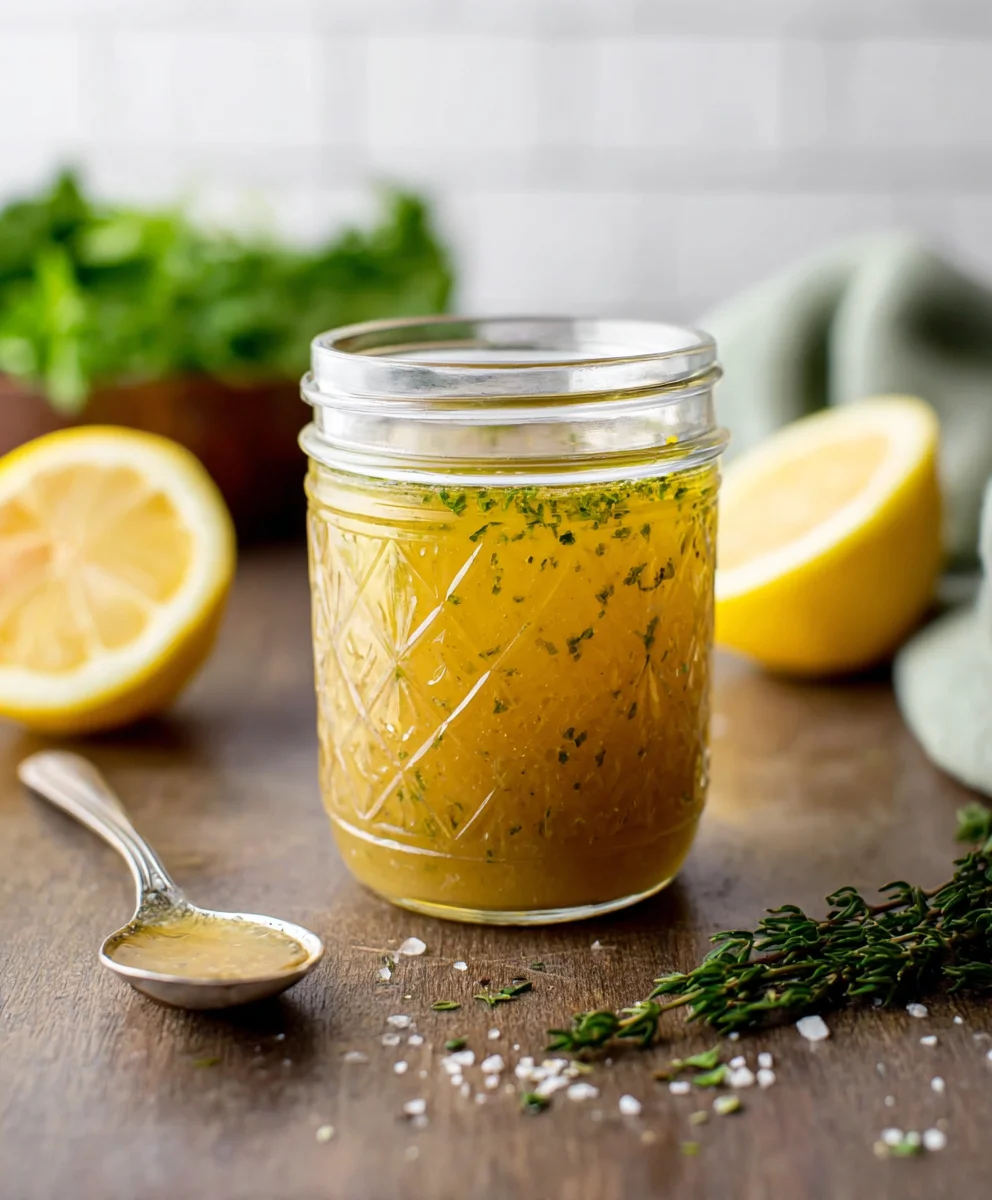
Once all the olive oil has been incorporated and you have a beautiful, emulsified vinaigrette, give it a final taste. This is your opportunity to make any last-minute adjustments. Perhaps it needs a touch more lemon juice for brightness, a little more honey for sweetness, or an extra pinch of salt or pepper. Whisk it in gently. If you used fresh oregano, you might notice little flecks throughout the dressing, which is perfectly fine. Transfer your finished Basic Lemon Vinaigrette Dressing into a clean glass jar or bottle with a tight-fitting lid. It will keep in the refrigerator for up to two weeks. The vinaigrette may separate slightly upon standing; simply shake or whisk it well before each use to re-emulsify. This simple dressing is a foundational element for countless delicious dishes.
Conclusion:
And there you have it! Crafting the perfect Basic Lemon Vinaigrette Dressing is a simple yet incredibly rewarding culinary achievement. This versatile dressing is a true kitchen staple, transforming ordinary salads into vibrant flavor experiences. Its bright, zesty notes are a testament to the power of fresh ingredients. Don’t be afraid to experiment with this foundational recipe; its beauty lies in its adaptability. Whether you’re drizzling it over crisp greens, marinating chicken, or even using it as a light sauce for roasted vegetables, this Basic Lemon Vinaigrette Dressing is sure to become a regular in your repertoire. So, go forth and create deliciousness!
Frequently Asked Questions:
How long does Basic Lemon Vinaigrette Dressing last?
When stored properly in an airtight container in the refrigerator, your homemade Basic Lemon Vinaigrette Dressing should stay fresh for about 5-7 days. It’s best to give it a good shake before each use, as natural separation is common.
Can I make Basic Lemon Vinaigrette Dressing ahead of time?
Absolutely! This dressing is an excellent candidate for meal prep. You can easily make a larger batch at the begin extractning of the week and store it in the fridge, ready to elevate any salad or dish whenever you need it.
Easy Lemon Vinaigrette Dressing
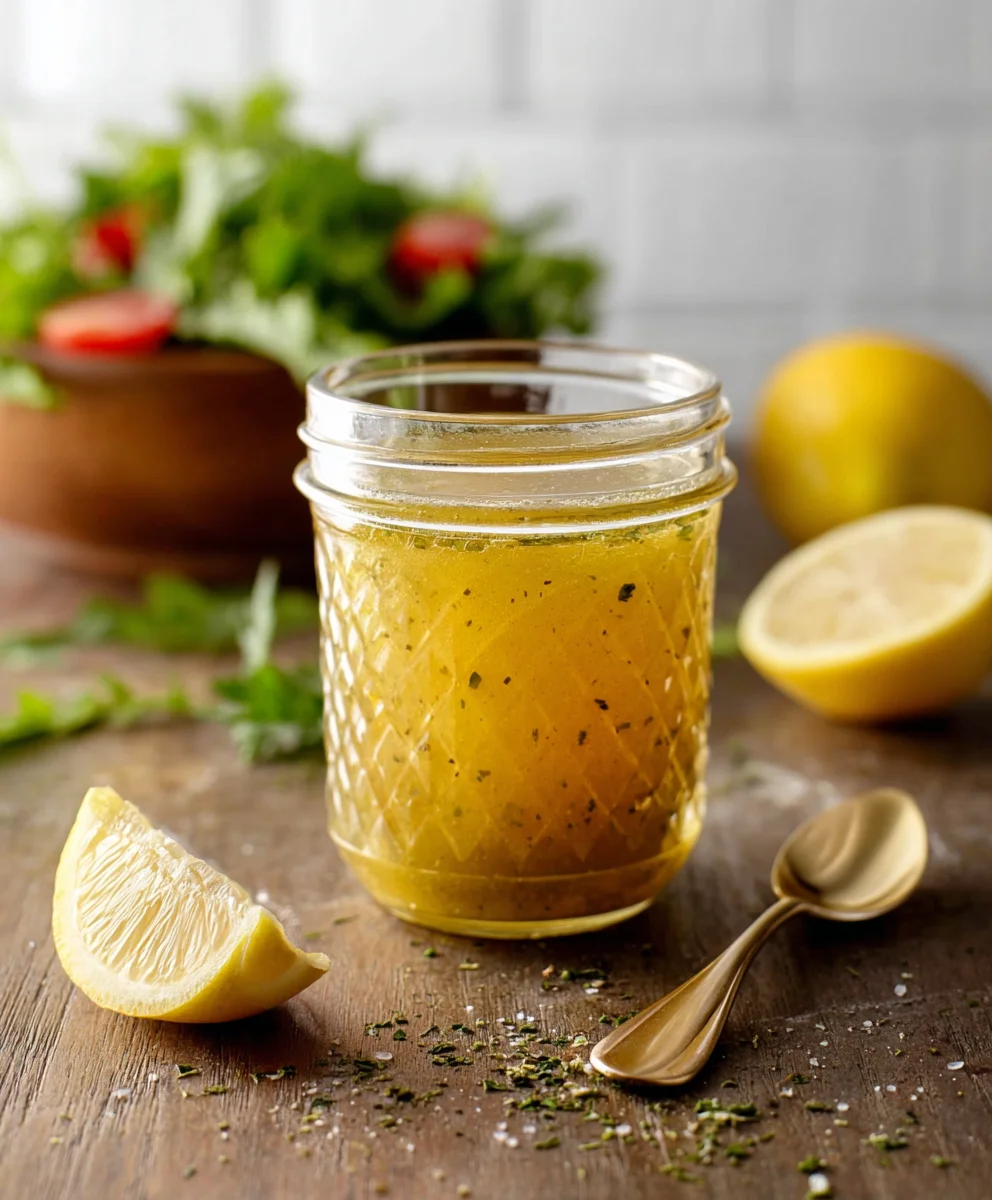
A quick, fresh, and versatile lemon vinaigrette perfect for salads, marinades, and drizzling.
Ingredients
-
¼ cup apple cider vinegar
-
2 Tablespoons fresh lemon juice
-
2 Tablespoons water
-
1 Tablespoon Dijon mustard
-
2 teaspoons honey or maple syrup (or stevia, to taste)
-
1 teaspoon dried oregano (or 1 Tablespoon fresh oregano, finely chopped)
-
1 clove garlic, minced
-
½ teaspoon sea salt
-
¼ teaspoon black pepper
-
½ cup + 2 Tablespoons olive oil
Instructions
-
Step 1
In a medium bowl, combine apple cider vinegar, fresh lemon juice, and water. Add Dijon mustard and whisk until well combined. -
Step 2
Add honey or maple syrup (or stevia), dried oregano, and minced garlic to the bowl. Whisk until the sweetener has dissolved and ingredients are evenly distributed. -
Step 3
Season the mixture with sea salt and black pepper. Whisk thoroughly to incorporate. -
Step 4
Slowly drizzle in the olive oil while continuously whisking to emulsify the dressing. Continue whisking until the dressing is smooth and slightly thickened. -
Step 5
Taste and make any final adjustments to seasoning. Transfer the vinaigrette to a clean glass jar or bottle with a tight-fitting lid for storage.
Important Information
Nutrition Facts (Per Serving)
It is important to consider this information as approximate and not to use it as definitive health advice.
Allergy Information
Please check ingredients for potential allergens and consult a health professional if in doubt.



Leave a Comment