

Chinese Beef and Broccoli, or 牛肉炒西兰花 as it’s known in its authentic form, is more than just a weeknight meal; it’s a culinary hug in a bowl. There’s a reason this classic combination has captured hearts and taste buds across continents. It’s that perfect harmony of tender, marinated beef seared to perfection, mingling with crisp-tender broccoli florets, all coated in a rich, savory sauce that is simply irresistible. The beauty of Chinese Beef and Broccoli lies in its deceptive simplicity; while it appears straightforward, achieving that ideal balance of textures and flavors requires a few key techniques that we’ll unlock together. This dish isn’t just about sustenance; it’s about comfort, vibrant colors, and a satisfying crunch that makes every bite a delightful experience. Get ready to bring this beloved restaurant favorite right into your own kitchen!

Chinese Beef and Broccoli (牛肉炒西兰花)
There are few dishes that embody the spirit of classic Chinese takeout quite like Beef and Broccoli. It’s a symphony of tender, savory beef and crisp, vibrant broccoli, all coated in a glossy, umami-rich sauce. This recipe aims to capture that authentic flavor and texture right in your own kitchen, proving that you don’t need to wait for delivery to enjoy this beloved classic. The key to truly delicious Beef and Broccoli lies in a few simple techniques: marinating the beef for tenderness, getting a good sear on it, and achieving that perfect sauce consistency. Let’s dive in and create some magic!
Ingredients:
Preparing the Beef for Maximum Tenderness
The first crucial step to achieving that melt-in-your-mouth beef texture is the marinade. This is where we infuse flavor and, importantly, tenderize the meat.
1. In a medium bowl, slice the beef thinly against the grain. This is paramount for tenderness. Imagin extracte the grain of the meat as lines; you want to cut perpendicular to those lines. This breaks up the tough muscle fibers. Add the 1 tablespoon of soy sauce, 1 tablespoon of peanut oil, and 1 tablespoon of cornstarch to the sliced beef. Mix everything thoroughly, ensuring each slice is well-coated. The cornstarch creates a protective coating that helps lock in moisture during cooking. If you’re using it, add the 1/2 teaspoon of baking soda. Baking soda is a secret weapon in many Chinese marinades; its alkalinity helps break down proteins, resulting in incredibly tender beef. Let this mixture marinate for at least 15-30 minutes at room temperature, or up to a few hours in the refrigerator.
Crafting the Flavorful Sauce
While the beef marinates, let’s whisk together the components of our irresistible sauce. This ensures everything is ready to go when it’s time to stir-fry.
2. In a small bowl or liquid measuring cup, combine the chicken stock, Shaoxing vinegar, 2 tablespoons of soy sauce, dark soy sauce, and brown sugar. Whisk until the sugar is dissolved. Finally, stir in the remaining 1 tablespoon of cornstarch until it’s fully incorporated and there are no lumps. This cornstarch slurry is what will thicken our sauce to that perfect, glossy consistency that coats every piece of beef and broccoli beautifully. Set this aside.
Cooking the Beef to Perfection
High heat and quick cooking are the names of the game when it comes to stir-frying beef. We want to create a beautiful sear without overcooking it.
3. Heat a wok or a large, heavy-bottomed skillet over high heat until it’s very hot – almost smoking. Add 1 tablespoon of peanut oil and swirl to coat the surface. Carefully add the marinated beef in a single layer. Do not overcrowd the pan; cook in batches if necessary. This ensures each piece gets direct contact with the hot surface, promoting that desirable sear rather than steaming the meat. Cook for about 1-2 minutes per side, or until browned and just cooked through. The beef will finish cooking later with the vegetables and sauce, so we’re aiming for a perfect medium-rare to medium at this stage. Remove the cooked beef from the wok and set it aside on a plate.
Stir-Frying the Vegetables and Aromatics
Now it’s time to bring in the vibrant broccoli and aromatic garlic and gin extractger.
4. Add another tablespoon of peanut oil to the hot wok. Add the minced garlic and gin extractger and stir-fry for about 15-30 seconds until fragrant. Be careful not to burn them; they should just release their delicious aroma. Add the broccoli florets to the wok. Stir-fry for about 2-3 minutes until the broccoli is bright green and slightly tender-crisp. If your broccoli florets are very large, you might want to add a tablespoon or two of water to the wok and cover it for a minute or two to steam them slightly before proceeding. We want the broccoli to be tender but still have a satisfying crunch.
Bringin extractg It All Together
The final step is to unite the cooked beef, the tender-crisp broccoli, and our pre-made sauce into a harmonious dish.
5. Give the sauce mixture a quick re-whisk (cornstarch tends to settle) and pour it into the wok with the broccoli. Stir continuously as the sauce comes to a simmer. It will begin extract to thicken almost immediately. Once the sauce has thickened and is glossy, return the cooked beef to the wok. Toss everything together gently to ensure the beef and broccoli are evenly coated in the luscious sauce. Cook for another minute, allowing the beef to heat through and absorb the flavors of the sauce. Taste and adjust seasoning if needed – a little more soy sauce for saltiness, or a pinch of sugar for sweetness. Serve immediately over steamed rice. Enjoy your homemade Chinese Beef and Broccoli!
*Footnote 1: For the beef, flank steak and skirt steak are excellent choices due to their flavor and ability to tenderize with the marinade. Thinly slicing against the grain is critical. The optional baking soda significantly enhances tenderness. Experiment to see if you prefer it!
*Footnote 2: Dark soy sauce is primarily for color and a hint of richer, more complex flavor, not for saltiness. If you don’t have it, your regular soy sauce will work, but the color might be lighter.
*Footnote 3: Using a wok is ideal for achieving high heat and proper stir-frying, but a large, heavy-bottomed skillet will also work. Ensure it’s well-seasoned or non-stick for best results.
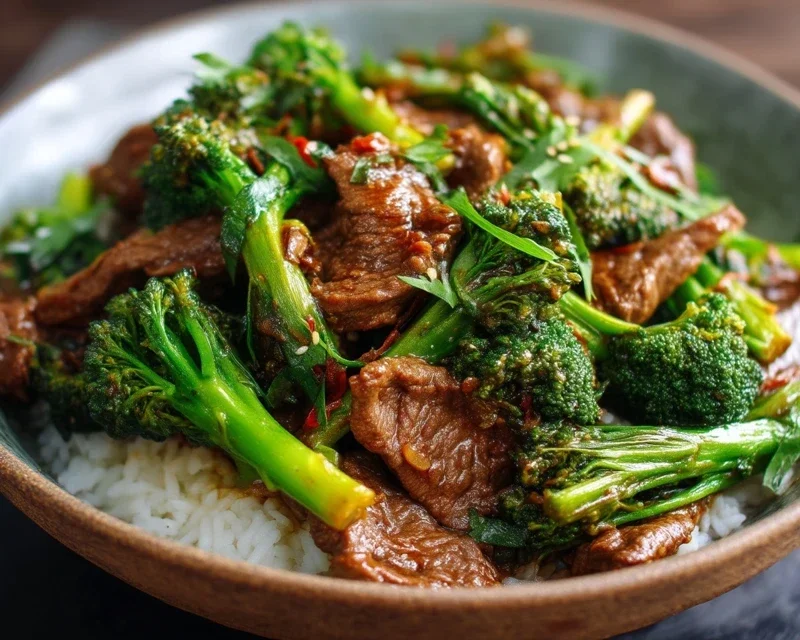
Conclusion:
And there you have it – our guide to creating a truly delicious Chinese Beef and Broccoli (牛肉炒西兰花) right in your own kitchen! This recipe is a winner because it’s surprisingly quick, packed with flavor, and incredibly satisfying. The tender beef, crisp-tender broccoli, and savory sauce come together in perfect harmony for a meal that’s both healthy and incredibly comforting. It’s the kind of dish that always disappears from the table in minutes!
I love serving this classic Chinese Beef and Broccoli with fluffy steamed white rice to soak up all that incredible sauce. For a more complete meal, consider pairing it with some spring rolls or a simple egg drop soup. If you’re feeling adventurous, try swapping the broccoli for snow peas, asparagus, or even baby bok choy. You could also add a touch of spice with some red pepper flakes or a drizzle of chili oil at the end.
Don’t be intimidated if you haven’t made stir-fry before. This recipe breaks it down into simple steps, and the results are so worth it. I encourage you all to give this fantastic Chinese Beef and Broccoli a try. You might just find your new favorite weeknight meal!
Frequently Asked Questions:
Can I make this recipe ahead of time?
While stir-fries are best enjoyed fresh, you can prep some components ahead of time. You can slice and marinate the beef up to a day in advance. You can also chop the broccoli and other vegetables. However, it’s best to cook the sauce and stir-fry everything just before serving to ensure the best texture for both the beef and the broccoli.
What kind of beef is best for this recipe?
For the most tender results, I recommend using thinly sliced flank steak, sirloin, or even tenderloin. The key is to slice the beef thinly against the grain. This helps to break down the connective tissues, resulting in melt-in-your-mouth tenderness.
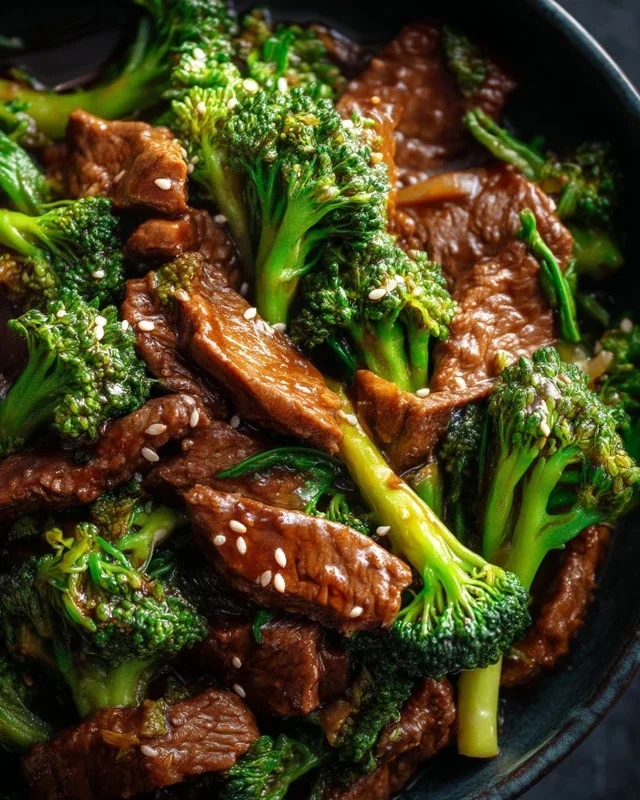
Chinese Beef and Broccoli (牛肉炒西兰花)
A classic Chinese stir-fry featuring tender beef and crisp broccoli in a savory sauce.
Ingredients
-
1 lb flank steak (, skirt steak, or other cut)
-
1 tablespoon soy sauce
-
1 tablespoon peanut oil ((or vegetable oil))
-
1 tablespoon cornstarch
-
1/2 teaspoon baking soda ((Optional))
-
1/2 cup chicken stock ((or beef stock))
-
2 tablespoons Shaoxing vinegar ((or dry sherry vinegar))
-
2 tablespoons soy sauce
-
1 teaspoon dark soy sauce
-
2 teaspoons brown sugar ((or white sugar))
-
1 tablespoon cornstarch
-
1 head broccoli (, cut to bite-size florets)
-
1 tablespoon peanut oil (or vegetable oil)
-
3 garlic cloves (, minced)
-
2 teaspoons ginger (, minced)
Instructions
-
Step 1
Slice the beef thinly against the grain. In a bowl, combine the beef with 1 tablespoon soy sauce, 1 tablespoon peanut oil, 1 tablespoon cornstarch, and baking soda (if using). Marinate for at least 15 minutes. -
Step 2
In a separate small bowl, whisk together chicken stock, Shaoxing vinegar, 2 tablespoons soy sauce, dark soy sauce, and brown sugar to create the sauce. -
Step 3
Blanch the broccoli florets in boiling water for 1-2 minutes until bright green and slightly tender-crisp. Drain and set aside. -
Step 4
Heat 1 tablespoon of peanut oil in a wok or large skillet over high heat until shimmering. Add the marinated beef and stir-fry until browned, about 2-3 minutes. Remove beef from the wok and set aside. -
Step 5
Add a little more oil if needed. Add minced garlic and ginger to the wok and stir-fry for about 30 seconds until fragrant. -
Step 6
Return the beef to the wok. Pour in the prepared sauce and bring to a simmer. Stir in the remaining 1 tablespoon of cornstarch mixed with a little water to thicken the sauce, if necessary. -
Step 7
Add the blanched broccoli to the wok and toss to coat with the sauce. Cook for another 1-2 minutes until heated through.
Important Information
Nutrition Facts (Per Serving)
It is important to consider this information as approximate and not to use it as definitive health advice.
Allergy Information
Please check ingredients for potential allergens and consult a health professional if in doubt.



Leave a Comment